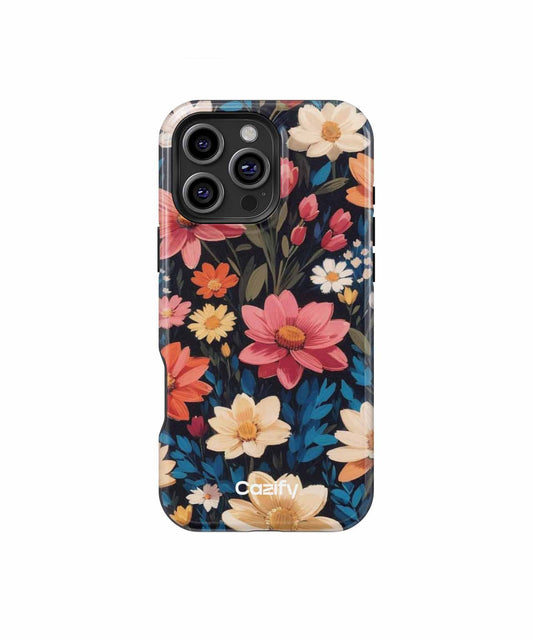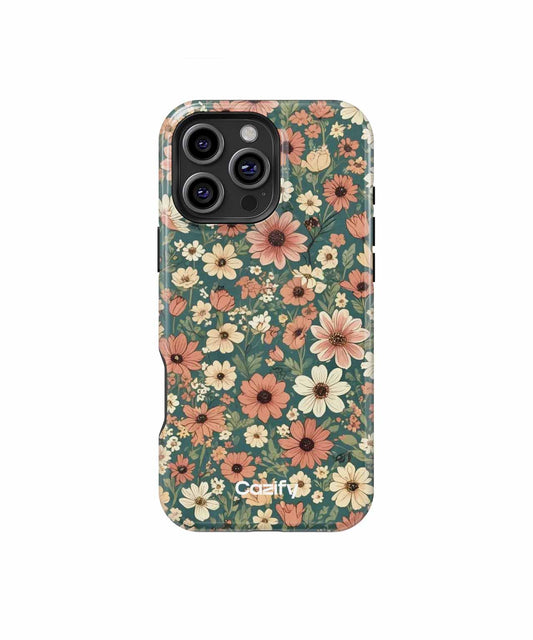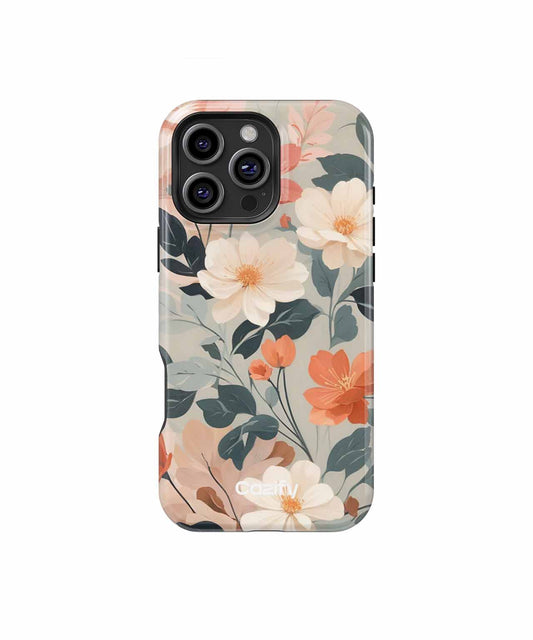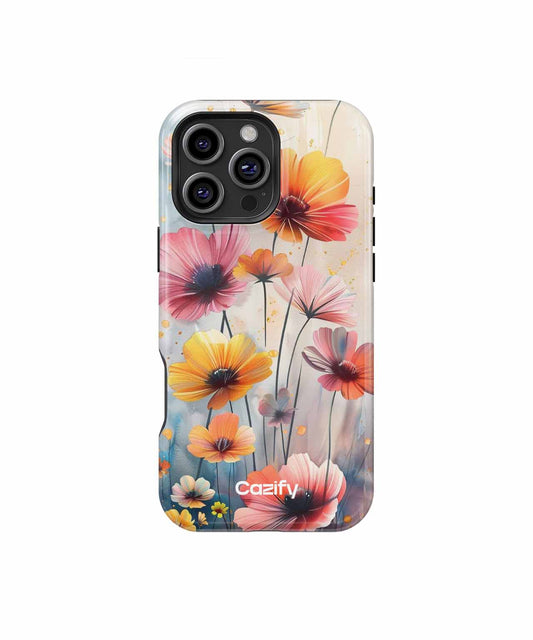

A Guide to Material Differences in iPhone Cases
Share
In today's tech-driven world, protecting your smartphone is a top priority. With numerous options in the market, selecting the right iPhone case can be overwhelming. One of the key factors to consider when purchasing a case is the material. Each type offers unique benefits and drawbacks. In this guide, we will explore the different materials used in iPhone cases to help you make an informed decision.
Silicone Cases
Silicone cases are popular due to their soft, flexible, and lightweight nature. They offer a comfortable grip and can absorb minor shocks in case of accidental drops. However, they may attract lint and dust over time, which can be a drawback for some users. They are also available in a variety of colors, adding a personal touch to your iPhone.
Hard Plastic Cases
Hard plastic cases, made from polycarbonate or other durable plastics, offer solid protection against scratches and dents. They provide a slim profile and are often more affordable. However, they may not offer as much shock absorption as softer materials, so if you're prone to dropping your phone, you might want to consider adding extra protection.
Leather Cases
Leather cases exude sophistication and style, making them a favorite among professionals and luxury lovers. Beyond their aesthetic appeal, leather provides decent protection and durability. These cases often look better with age, developing a unique patina over time. They tend to be pricier and might not be as water-resistant as other materials.
TPU Cases
Thermoplastic polyurethane (TPU) cases are a middle ground between silicone and hard plastic. They provide good shock absorption, offer a non-slip surface, and are moderately flexible. TPU cases are resistant to oil, grease, and abrasion, making them an excellent choice for everyday use. They usually come in a wide range of colors and patterns to suit different styles.
Metal Cases
For those looking for robust protection, metal cases might be the way to go. Made from aluminum or a similar alloy, these cases offer excellent durability. However, metal can add more weight to your device and may interfere with wireless charging or signal reception. Despite these drawbacks, they offer a premium look and feel that many find attractive.
Wood Cases
Wood cases bring a touch of nature to your tech gear. Often crafted from real wood, these cases offer a unique appearance and natural texture, making each piece distinct. They provide reasonable protection and are eco-friendly. However, they might be less impact-resistant compared to other materials and require more maintenance to keep them looking their best.
In conclusion, the material of the iPhone case you choose will largely depend on your aesthetic preferences, budget, and the level of protection you need. Each material has its pros and cons, and understanding these differences will help you in selecting the ideal case for your lifestyle.
For more information on phone accessories, visit Cazify.