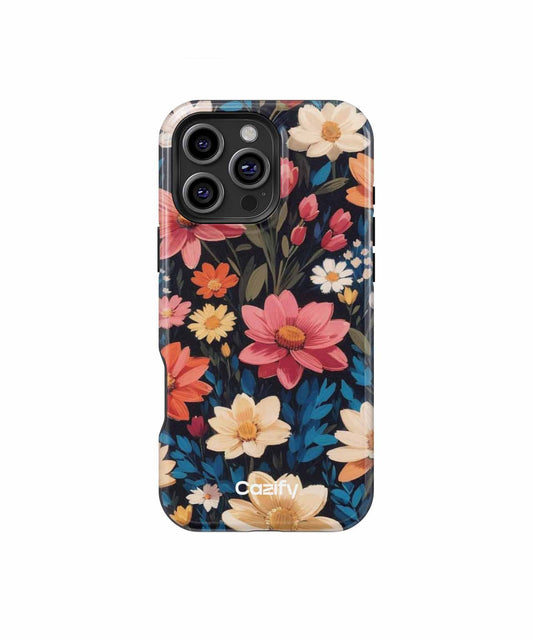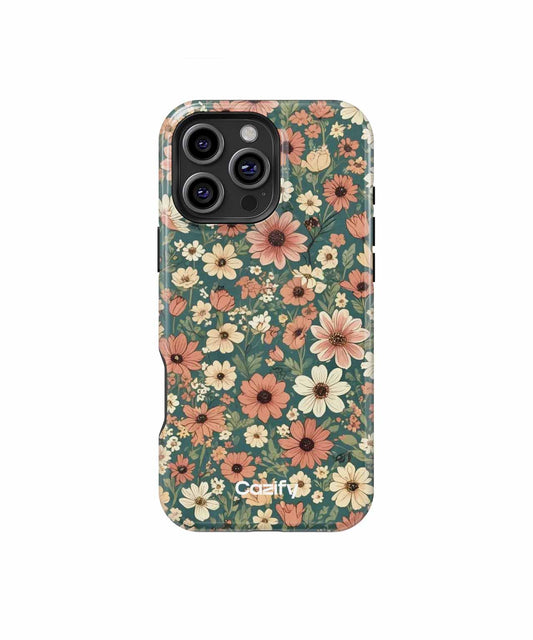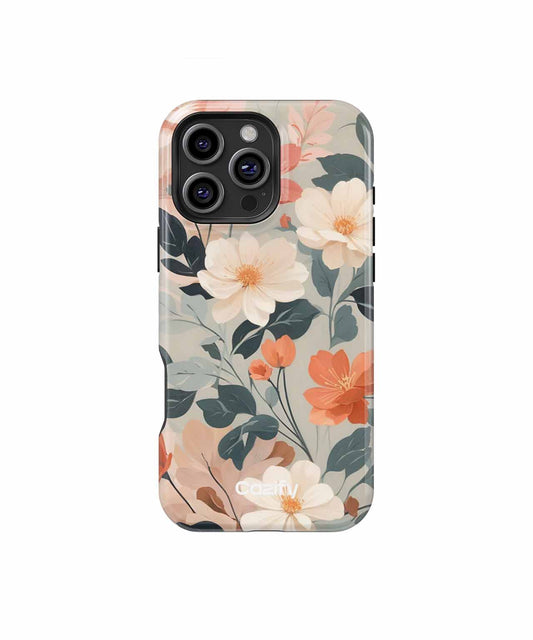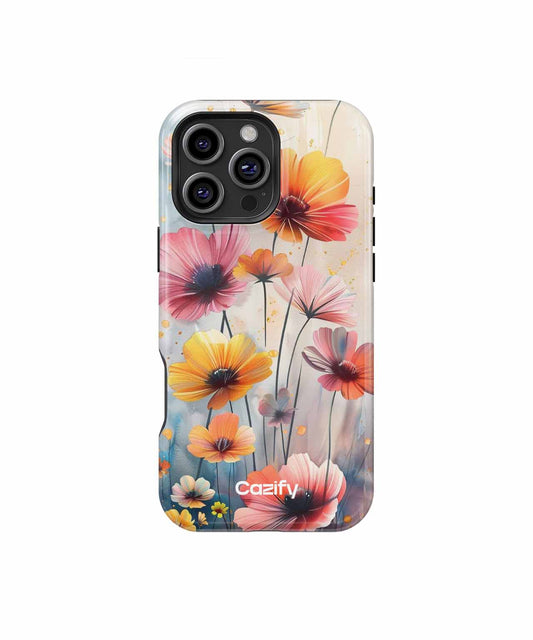

Exploring the Educational Aspects of iPhone Case Design
Share
When most people think about iPhone cases, they often focus on style or protection. However, these everyday items have much more to offer from an educational perspective. The design of iPhone cases can teach us valuable lessons about material science, ergonomics, and even environmental sustainability. In this blog post, we'll explore these educational dimensions and how they can enrich our understanding of everyday objects.
Material Science: The Foundation of Case Design
Material science plays a crucial role in the development of iPhone cases. Designers must consider a variety of factors including durability, flexibility, and aesthetics. For example, some cases are made from thermoplastic polyurethane (TPU), known for its outstanding elasticity and resistance to oil, grease, and abrasion. Others use silicone, appreciated for its soft texture and shock absorption capabilities. Understanding these materials can provide insights into ongoing innovations in product design and their practical applications in the competitive tech world.
Ergonomics: User-Friendly Design
Ergonomics is another key educational element in iPhone case design. The way a case feels in your hand, its weight, and even its grip attributes can significantly impact user experience. Designing a product that is comfortable to hold and use can improve user satisfaction and accessibility for a broad audience.
Key Ergonomic Principles
- Grip and Texture: Ensures that the phone does not slip from your hand.
- Weight Distribution: Allows for prolonged use without straining the wrist.
- Button Accessibility: Designed to enhance ease of use without hindering functionality.
Studying these principles provides a foundation for creating designs that prioritize user comfort and functionality.
Environmental Sustainability: Case Materials and Disposal
In today's world, environmental sustainability is more important than ever. iPhone case design is no exception. Designers are increasingly turning to eco-friendly materials, such as biodegradable plastics and recycled materials, to minimize environmental impact. Learning about these advancements can inspire future innovators to pursue sustainable design in their own work.
Sustainability Highlights
- Biodegradable Materials: Break down naturally, reducing waste.
- Recycled Elements: Decrease the need for raw resources.
- Minimalist Designs: Use fewer materials without compromising on protection.
Overall, these strategies contribute to a reduced carbon footprint, offering a lesson in the importance of thoughtful, sustainable design.
Concluding Thoughts
The design of iPhone cases is a multifaceted topic that goes beyond aesthetics. By examining them through the lenses of material science, ergonomics, and sustainability, we gain valuable insights into modern design practices and innovations. Whether you're a student, a professional designer, or simply someone interested in the art of product design, there's much to learn from these ubiquitous objects.
For more insights into trendy iPhone case designs and their impact, feel free to explore the collection on Cazify. Stay informed and inspired about the latest in tech and fashion!